Vulcan-Romulan Reunification: Spock, Picard, and a Divided People
Browse the full topic archive for more internal links in this category.
Overview
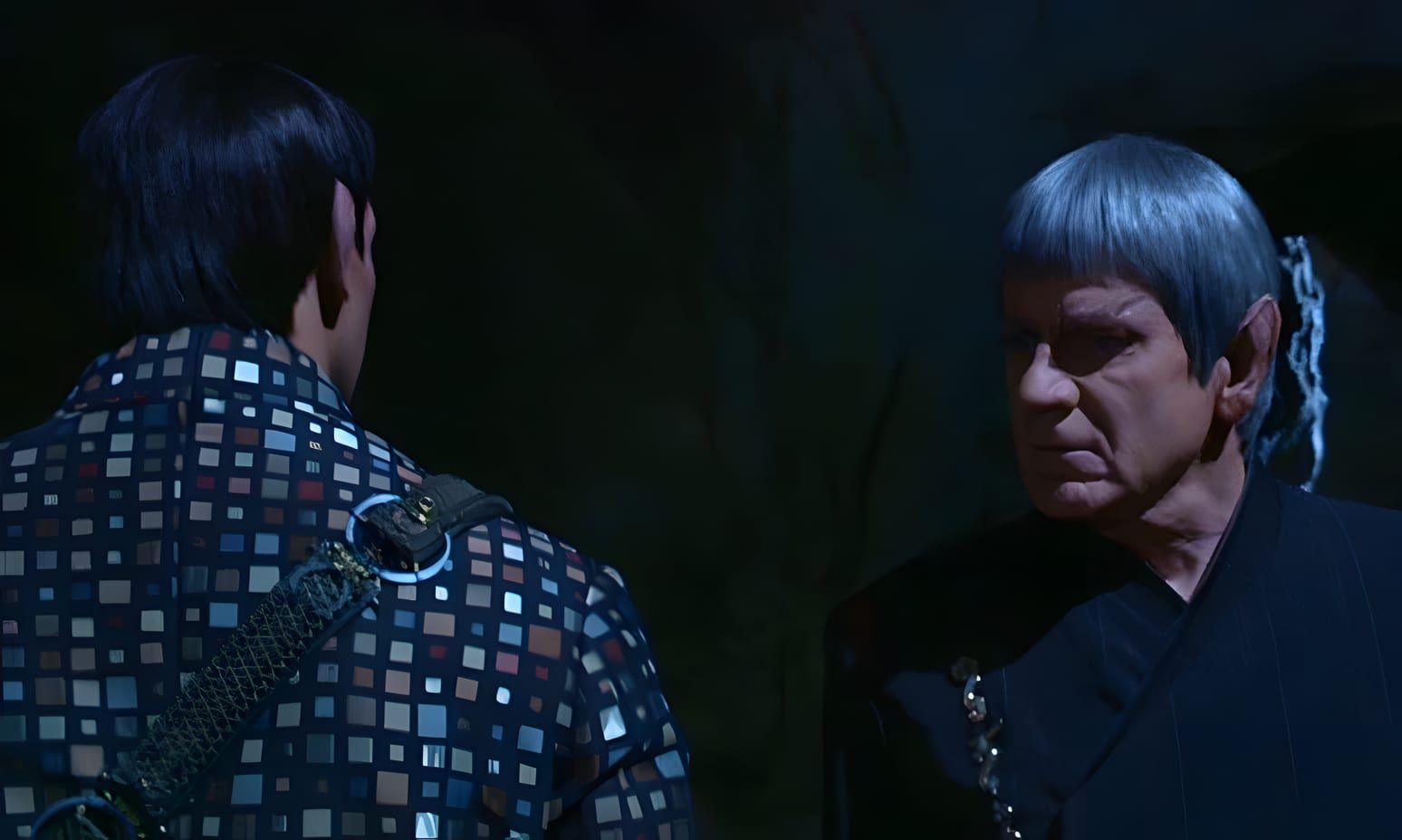
Vulcan-Romulan history begins with a cultural divergence: followers of Surak embraced logic on Vulcan, while dissenters departed and eventually formed Romulan civilization on Romulus and Remus. The political distance between the peoples became one of the oldest unresolved divisions in Alpha Quadrant history.
Reunification was therefore never only a diplomatic slogan. It involved identity, memory, state suspicion, and the question of whether related civilizations could overcome centuries of separation.
Role in Picard's Career
Picard entered the reunification record in 2368, when Ambassador Spock traveled secretly to Romulus. Starfleet sent Picard and Data aboard the USS Enterprise-D to determine whether Spock had defected or was operating under coercion.
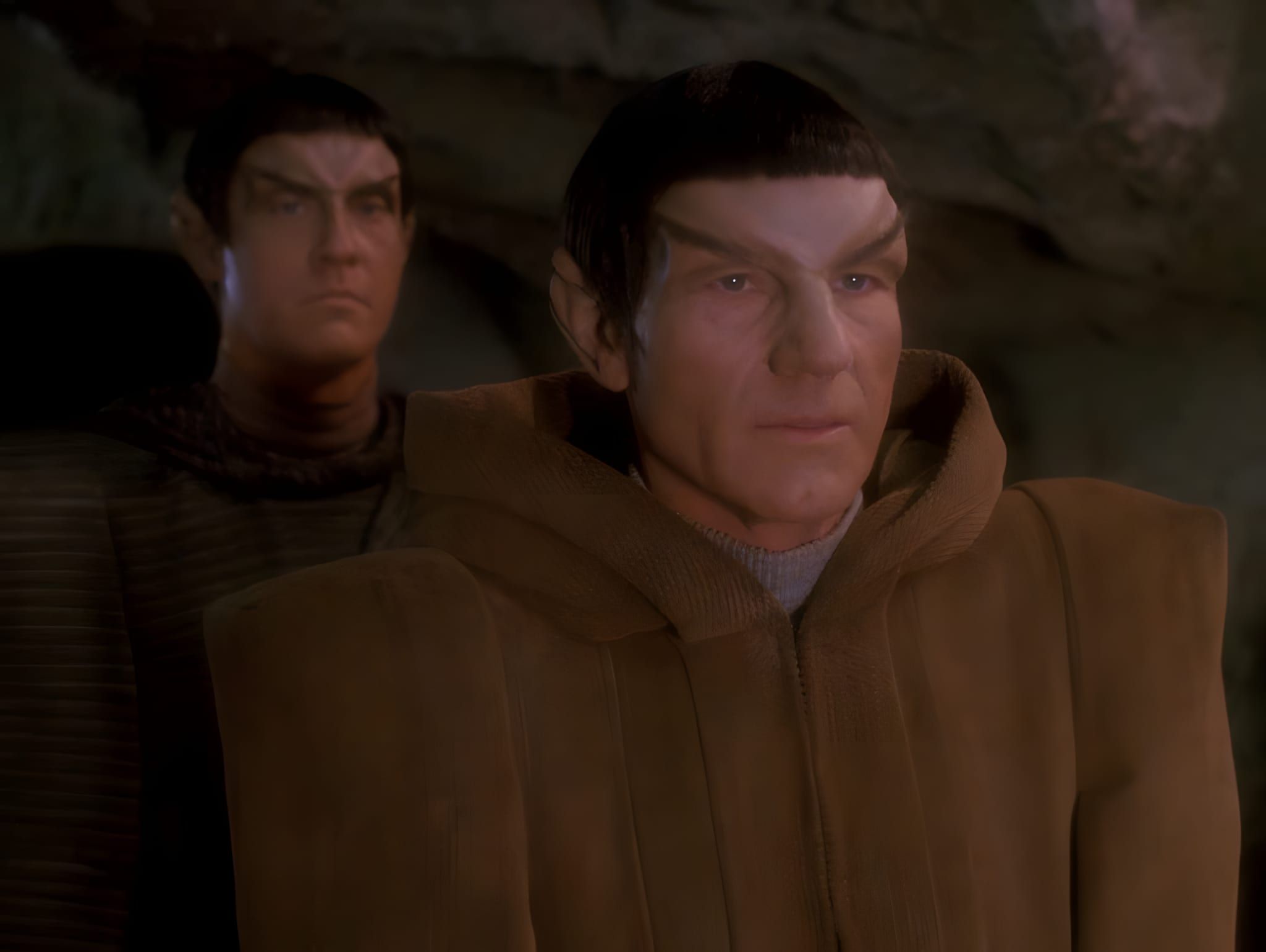
Picard's role was protective rather than directive. He respected Spock's independence while investigating the Romulan political trap around him, demonstrating Picard's recurring willingness to support peace work that carried institutional risk.
Key Events or Actions
Earlier Romulan efforts toward Vulcan were often imperial rather than reconciliatory, including 22nd-century manipulation of Vulcan politics. By the 24th century, Spock's underground work represented a different model: persuasion, cultural memory, and gradual political opening.
The apparent reform overture on Romulus proved to be a military deception. Commander Sela planned to use Spock's image to invite a supposed peace envoy to Vulcan, concealing an invasion force within the convoy.
Data and Spock disrupted the deception by altering the message, while the Enterprise-D moved to intercept. The Romulan response destroyed the convoy rather than allow its capture, and Spock chose to remain on Romulus to continue the work.
Strategic or Historical Significance
The reunification effort exposed the competing uses of shared ancestry. To Spock, common origin created grounds for reconciliation. To Romulan state actors, the same history could be used as cover for conquest.
For Picard, the mission sits between intelligence work and moral diplomacy. It foreshadows later Romulan crises in which Picard would again separate a people from the policies of their state.
Legacy
Centuries later, Vulcan and Romulan societies would reunify on Ni'Var, with Spock posthumously recognized as central to that outcome. The 2368 mission did not achieve reunification, but it preserved the movement from immediate exploitation.
The record matters because Picard's involvement shows Starfleet at its best when it guards the conditions for peace without claiming ownership of the peace itself.