James T. Kirk: Veridian III and the Command Bridge Across Generations
Browse the full topic archive for more internal links in this category.
Overview
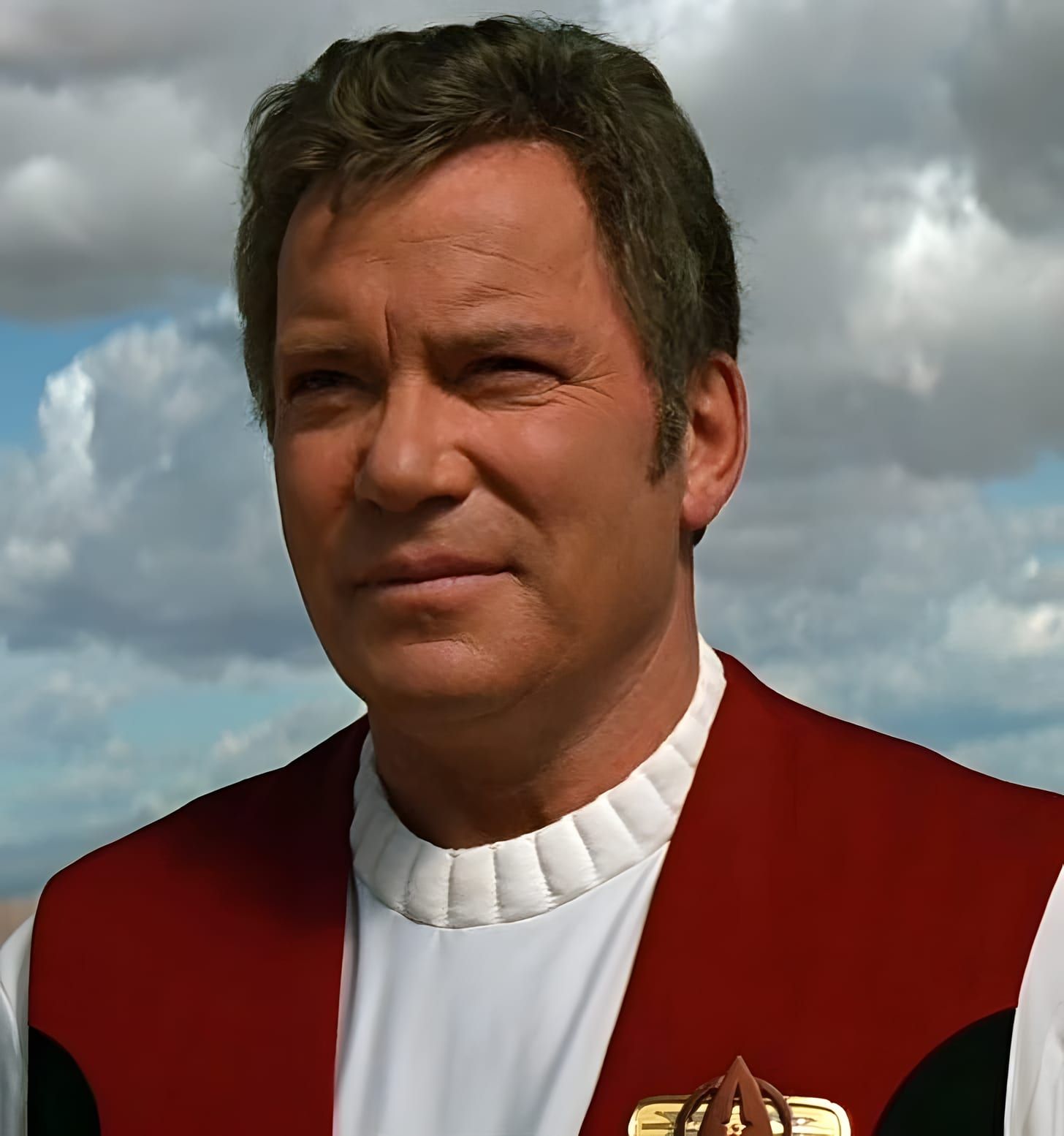
James Tiberius Kirk was one of Starfleet's most famous 23rd-century captains, remembered for command of the original Enterprise and Enterprise-A, repeated first contacts, temporal incidents, Klingon diplomacy, and a willingness to act decisively when rules could not contain events.
Kirk entered Picard's record through the Nexus crisis at Veridian III, where the presumed dead captain became an active participant in preventing system-wide destruction. The encounter placed two distinct models of Starfleet command inside one emergency and tested whether legacy could become action rather than memorial.
Role in Picard's Career
Picard sought Kirk's help because the Veridian crisis required more than technical correction. Tolian Soran intended to destroy the Veridian star, and Picard needed another captain willing to leave personal reward behind and return to consequence.
Kirk's advice to Picard was direct: do not accept promotion or transfer if it takes you away from the bridge where you can make a difference. Coming from a retired admiral who had repeatedly returned to command, the counsel carried more than sentiment. It warned Picard against mistaking institutional elevation for meaningful agency.
Key Events or Actions
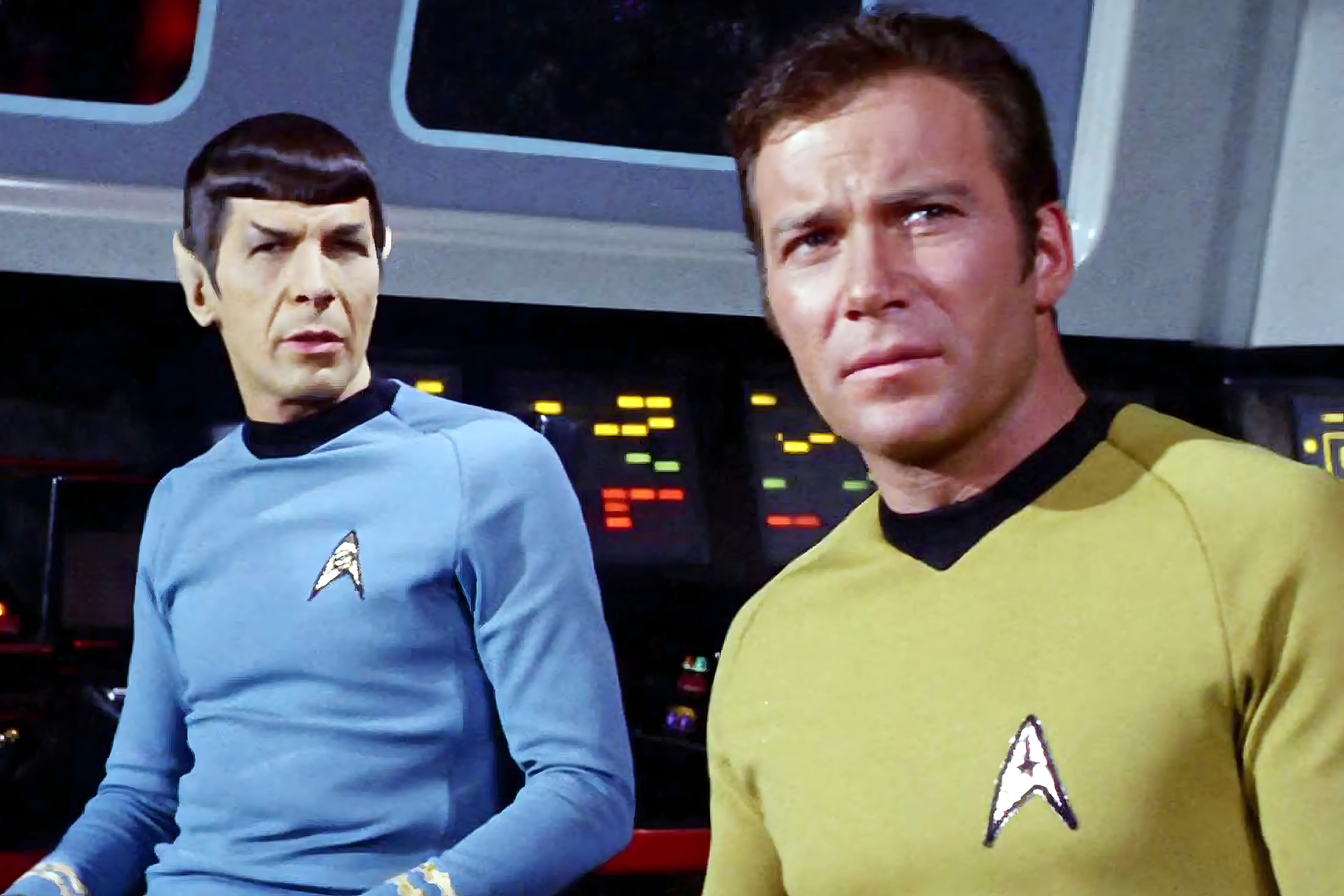
Kirk was presumed lost in 2293 during the maiden voyage of the Enterprise-B, after volunteering to modify deflector relays during a rescue of El Aurian refugee ships trapped in the Nexus. The ship escaped, but Kirk disappeared into the energy distortion and was declared dead.
In 2371, Picard found Kirk inside the Nexus, where time did not pass normally and a private idealized existence had replaced ordinary consequence. Kirk agreed to leave that comfort and help Picard stop Soran, who intended to use trilithium weaponry to alter the Nexus path at the cost of the Veridian system.
On Veridian III, Kirk climbed across a failing bridge structure to reach the control needed to disable Soran's missile. The effort saved Veridian IV and the surviving Enterprise-D crew, but Kirk fell and died after Picard assured him that he had made a difference.
Picard buried Kirk under a simple stone cairn on the Veridian III mountaintop. By 2401, Section 31 had retrieved Kirk's body for Project Phoenix, and his remains were stored at Daystrom Station, turning Starfleet legend into classified biological property.
Relationship to Picard
Kirk and Picard did not share a long relationship; they shared a decision. Their meeting was brief, but it joined Picard's reflective, diplomatic command style with Kirk's more improvisational and personal style of action.
Picard did not treat Kirk as a relic, and Kirk did not treat Picard as a successor in need of ceremony. Each recognized in the other the captain's central burden: whether to return from safety when people outside the self still depend on action.
Strategic or Historical Significance
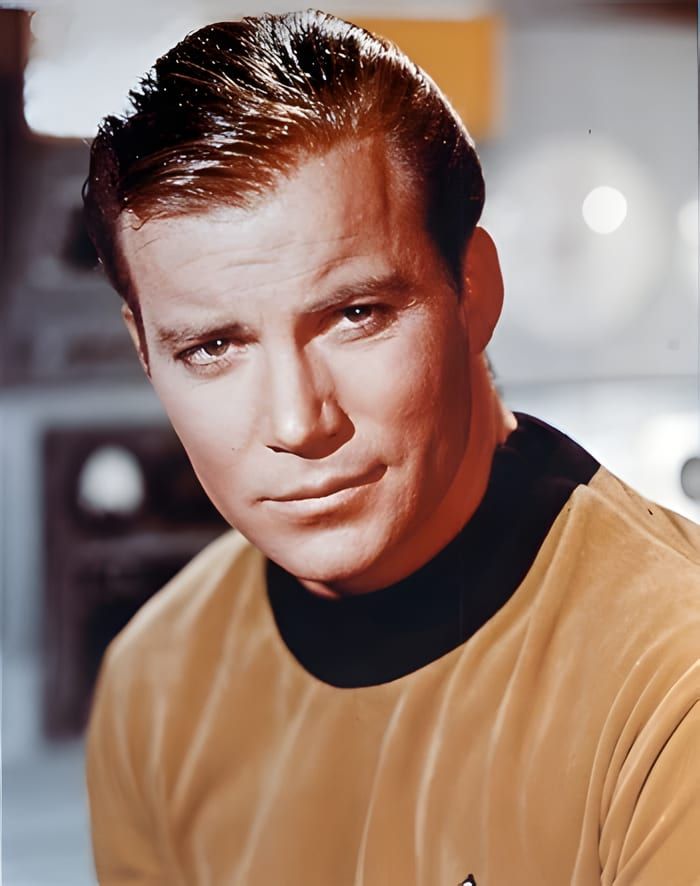
Kirk's importance to Picard lies partly in contrast. Kirk belonged to an earlier Starfleet era, one later officers remembered as less procedural and more willing to bend rules at the frontier. Picard's command was more legalistic, but Veridian III required both men to decide beyond procedure.
The Daystrom afterlife of Kirk's remains adds a darker institutional note. Starfleet history celebrates Kirk as a model of command, while covert systems later preserved his body as research material. That tension mirrors the archive's broader concern with how institutions use the people they honor.
Legacy
Kirk's legacy was already enormous before Picard met him: Academy study, temporal investigations, tactical patterns, and Starfleet folklore all preserved him as an unusually consequential captain.
For Picard, Kirk's final legacy was more intimate. He demonstrated that the ability to make a difference may require leaving paradise, refusing rest, and accepting that a captain's last act can still belong to service.