Wesley Crusher: Cadet Formation and Picard's Standard of Truth
Browse the full topic archive for more internal links in this category.
Overview
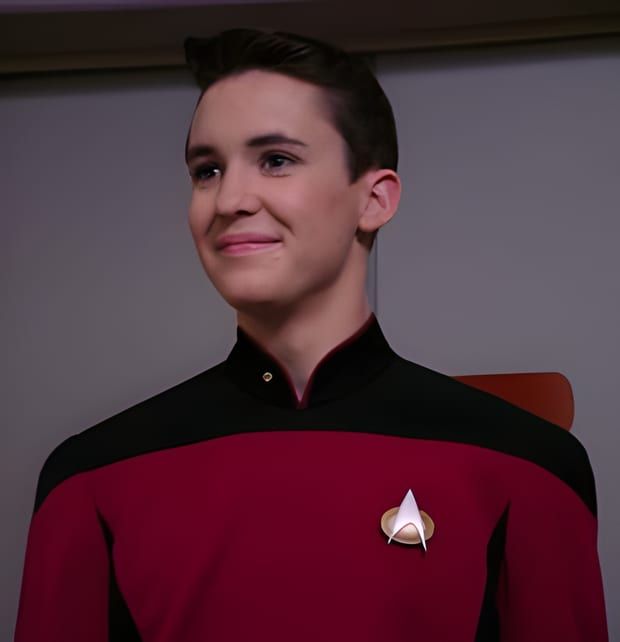
Wesley Crusher was the gifted son of Beverly Crusher and Jack R. Crusher, raised in the shadow of Starfleet service and personal loss. His years aboard the USS Enterprise-D placed him unusually close to Picard's command before he had the rank, age, or emotional formation normally expected of a Starfleet officer.
His record is not simply that of a prodigy. Wesley became a test case for how Picard handled youth, grief, talent, institutional discipline, and eventual departure from Starfleet's expected path.
Role in Picard's Career
Picard's connection to Wesley began with tragedy. Jack Crusher died while serving under Picard aboard the USS Stargazer, and Picard personally brought that loss to Beverly and her young son. Wesley's later presence on the Enterprise-D therefore carried guilt, obligation, and guarded affection into Picard's command environment.
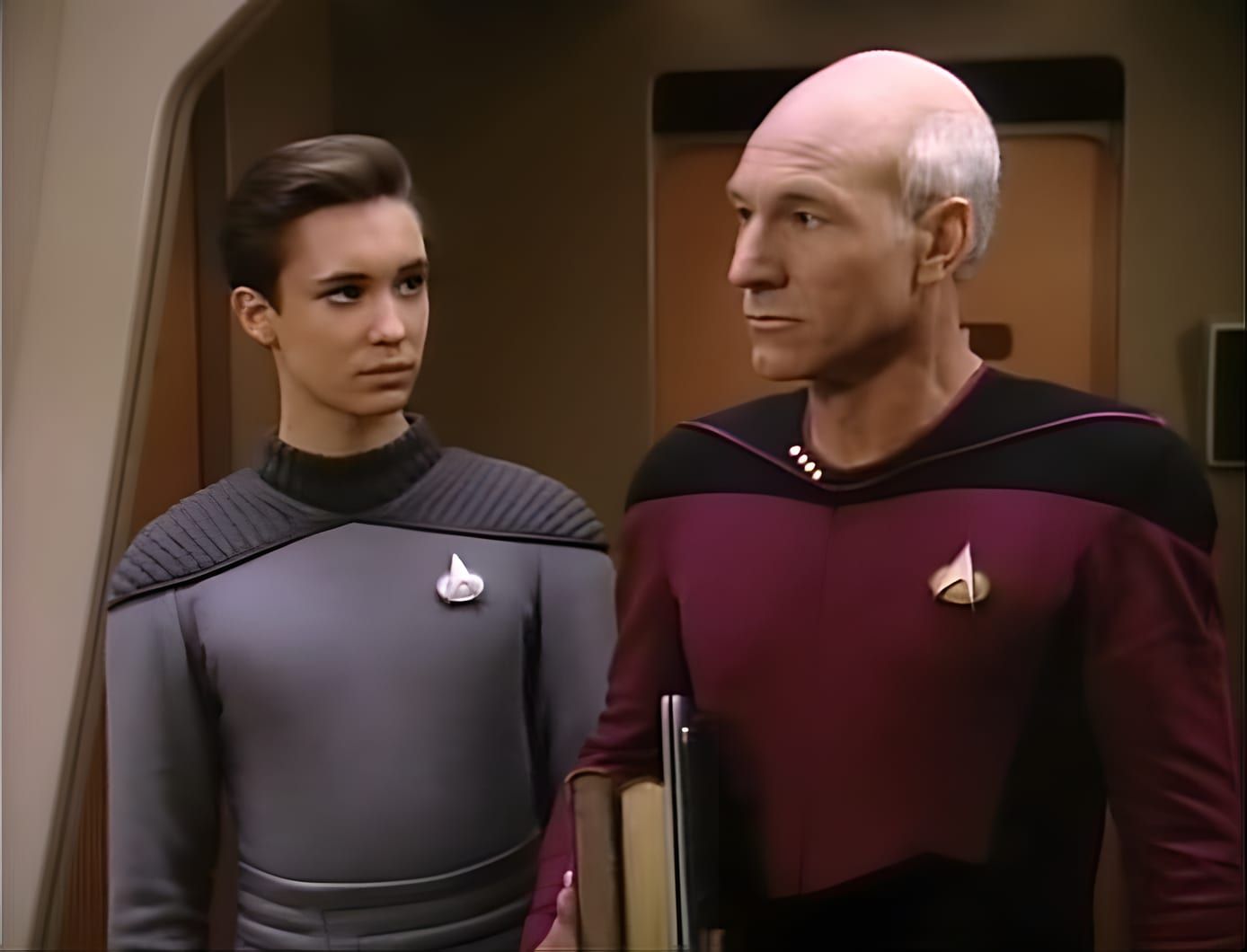
Picard's discomfort with children gave way to structured mentorship. He granted Wesley acting ensign status after the Traveler recognized the boy's unusual relationship to time, energy, and propulsion, then required him to learn the ship as a discipline rather than as a playground for genius.
During the Starfleet Academy Nova Squadron inquiry, Picard's role became severe. He confronted Wesley over the cover-up of Joshua Albert's death and insisted that a Starfleet officer's first duty is to the truth. The phrase became one of the clearest ethical statements in Picard's record.
Key Events or Actions
Wesley's early Enterprise-D actions combined immaturity with extraordinary competence. He helped save the ship during the polywater crisis, was nearly executed on Rubicun III under Edo law, identified Lore's impersonation of Data, and led abducted children in resistance against the Aldeans.
The Traveler's intervention gave Picard a different frame for Wesley's abilities. Wesley was not only a bright cadet candidate; he possessed a rare intuitive relationship to the underlying structures of space, time, and propulsion. Picard's field commission acknowledged that potential while trying to keep it inside Starfleet discipline.
At Starfleet Academy, the Nova Squadron scandal damaged Wesley's sense of belonging. His participation in an illegal flight maneuver and subsequent lie under Nicholas Locarno's influence showed how elite formation can become moral hazard when loyalty to peers overwhelms duty to the record.
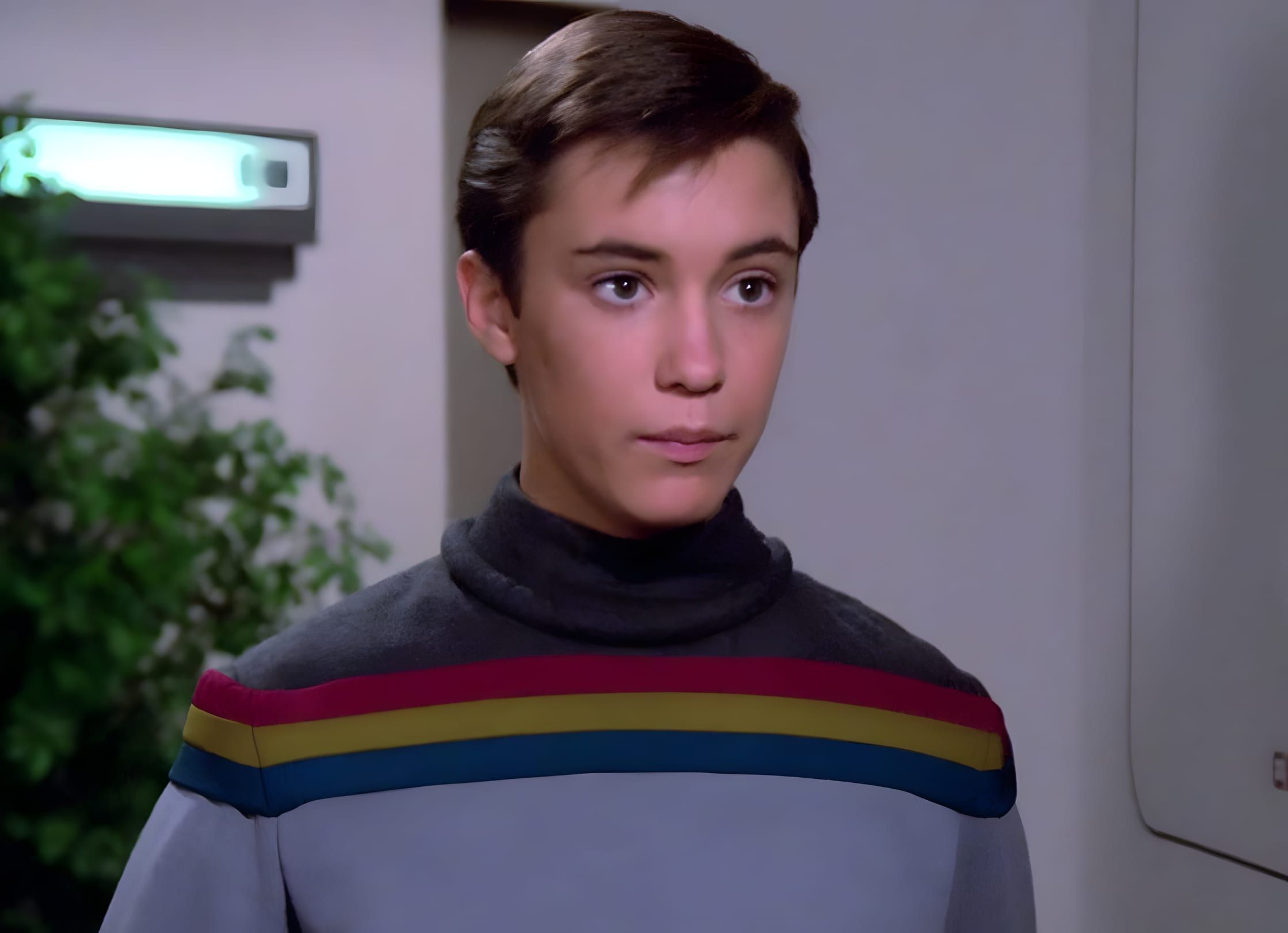
In 2370, Wesley resigned from the Academy after the Traveler guided him toward a path beyond conventional Starfleet service. Later records show him as an omnitemporal Traveler involved in preserving timelines, recruiting supervisors, and eventually meeting his half-brother Jack Crusher through Beverly.
Relationship to Picard
Wesley and Picard's relationship moved from discomfort to mentorship and finally to moral confrontation. Wesley initially carried anger that Picard had survived where his father had not. Picard, in turn, struggled to accept a paternal role while remaining the captain responsible for Wesley's safety and discipline.
The most important feature of the relationship is that Picard did not protect Wesley from consequence. Whether consoling him after a failed entrance exam or threatening to expose the Nova Squadron lie, Picard treated Wesley's future as inseparable from accountability.
Strategic or Historical Significance
Wesley's record exposes the risks of Starfleet talent pipelines. The Enterprise-D gave him opportunity before adulthood, while the Academy later gave him prestige without enough moral stability to resist group pressure.
His Traveler path also broadens the Picard archive beyond Starfleet's institutional categories. Wesley began as a child under Picard's command and became a figure operating across time and realities, suggesting that not every life formed by Starfleet remains inside Starfleet.
Legacy
Wesley's legacy in Picard's career is the unresolved question of mentorship: how to encourage exceptional ability without making exception itself a license. Picard's answer was imperfect but consistent: trust must be joined to truth.
Within the Crusher family record, Wesley also complicates continuity. Beverly lost one son to cosmic distance before raising another in secrecy; Picard's eventual discovery of Jack Crusher arrives in a family history already marked by absence, prodigy, and paths outside ordinary command.