Ferengi: Maxia Zeta, the Stargazer, and Picard's Early Command Record
Browse the full topic archive for more internal links in this category.
Overview
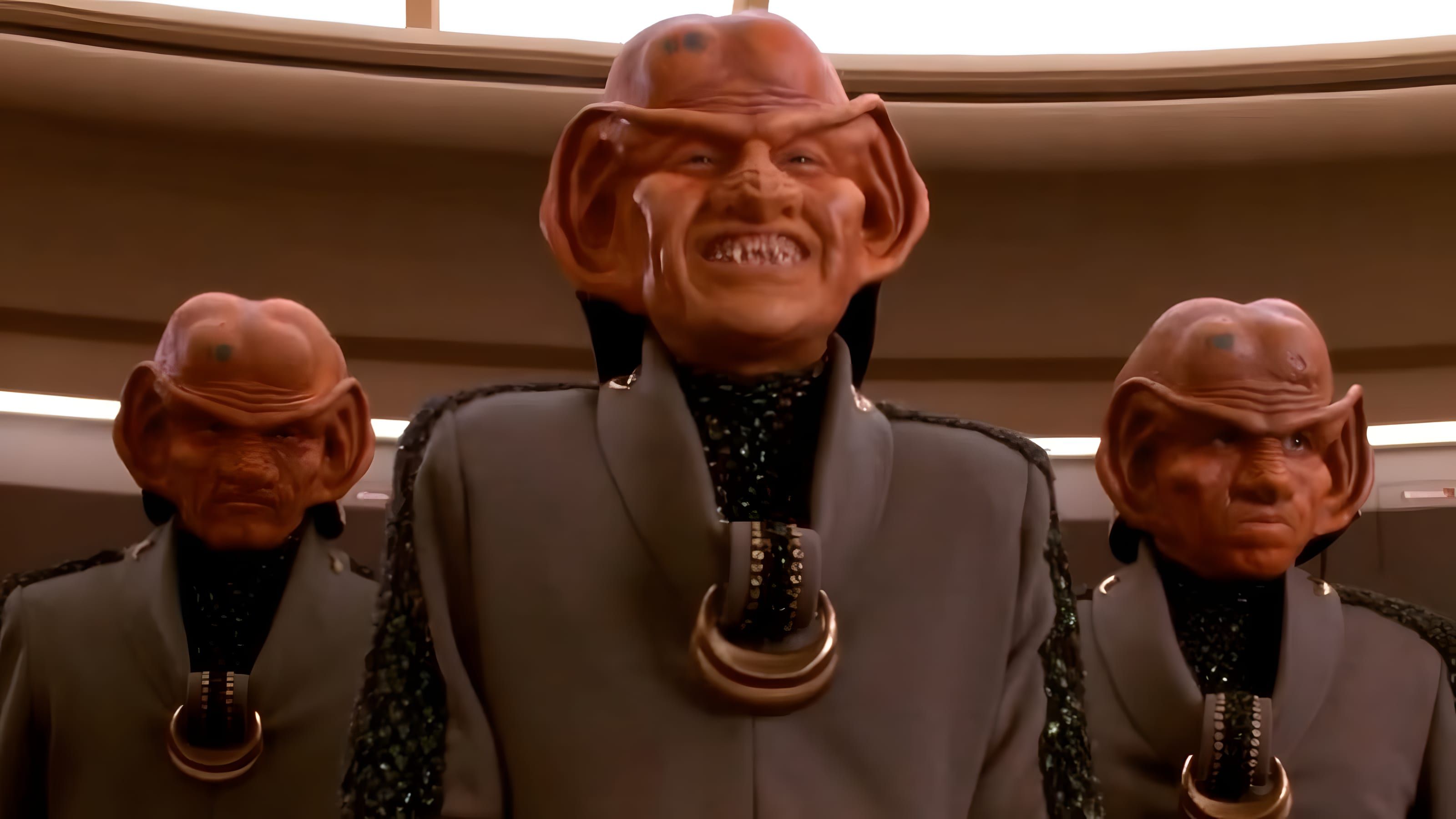
The Ferengi were a warp-capable humanoid species from Ferenginar whose institutions centered commerce, contract, and acquisition. In the broader Federation archive they belong to the history of trade, diplomacy, and cultural misunderstanding; in Picard's career, they first appear through violence, salvage, and disputed command responsibility.
This record treats the Ferengi as a political and economic power rather than a caricature of greed. Their role in Picard's career begins with the Battle of Maxia Zeta and continues through later Starfleet operations involving Ferengi actors, recovered property, and revenge shaped by private loss.
Role in Picard's Career
Picard's command of the USS Stargazer was permanently marked by a Ferengi attack in 2355 near Maxia Zeta. The encounter forced a damaged Starfleet vessel into a tactical emergency and ended with Picard ordering the maneuver that later carried his name.
The aftermath mattered as much as the battle. The Stargazer was abandoned, Picard faced formal inquiry, and the event became one of the earliest major markers of his command style: calculated improvisation under severe constraint.
Key Events or Actions
At Maxia Zeta, Picard used a short warp-speed displacement to confuse the attacking Ferengi vessel's sensors, creating the appearance of two Stargazers long enough to fire decisively. The Picard Maneuver entered Starfleet tactical study because it joined technical insight to command nerve.
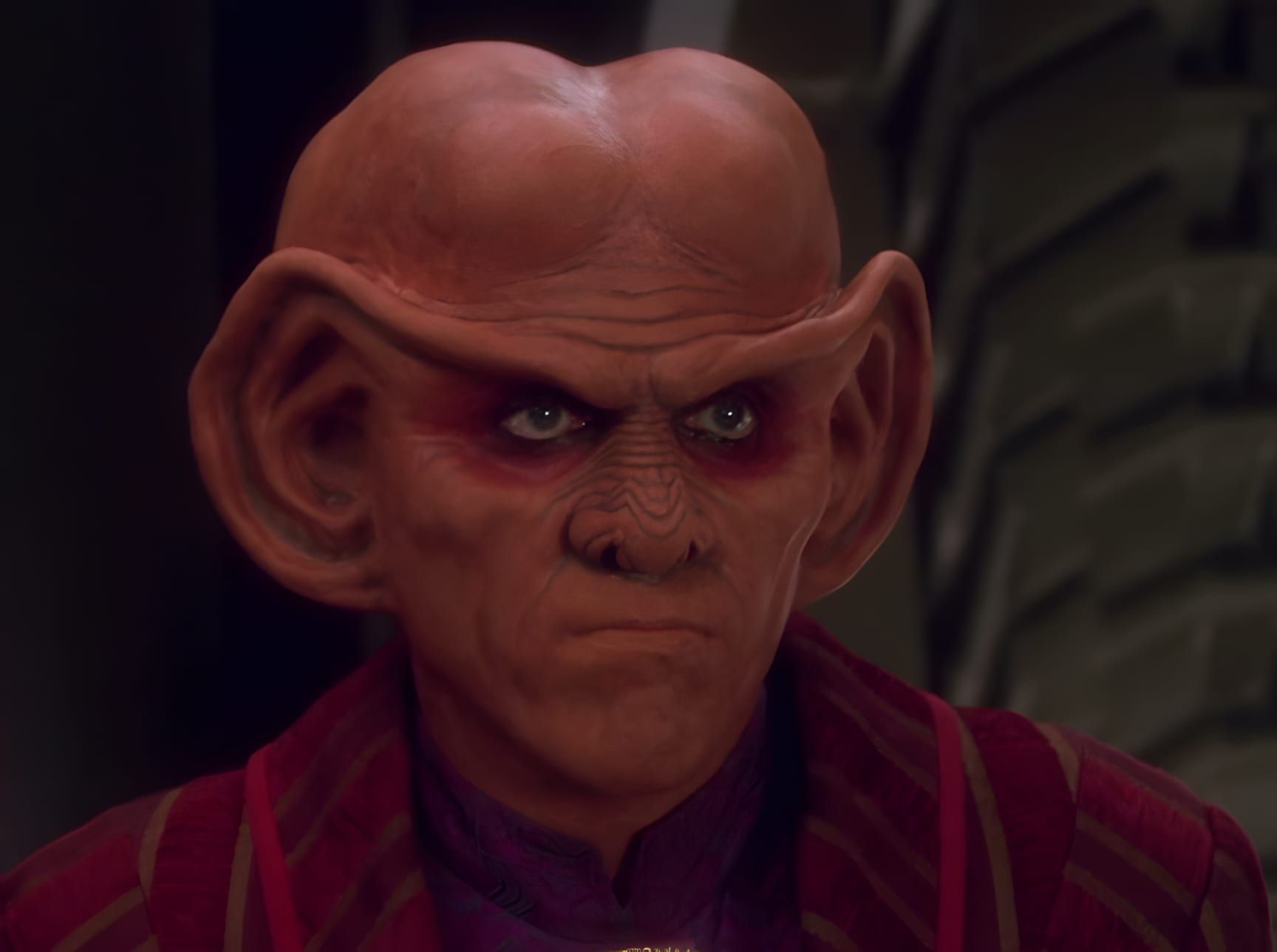
Years later, DaiMon Bok used the recovered Stargazer as an instrument of revenge against Picard. Bok's grievance tied Ferengi private interest, family loss, and psychological pressure together; the old ship became evidence, bait, and weapon in a renewed attempt to punish the captain.
Official first contact between the Federation and the Ferengi did not occur until after earlier covert or hostile encounters. That delay explains part of the instability around early Federation-Ferengi relations: Starfleet had encountered Ferengi actions before it had a reliable diplomatic framework for Ferengi society.
Strategic or Historical Significance

Ferengi society challenged Starfleet assumptions in a different register from the Klingon Empire, the Romulan Star Empire, or the Borg Collective. The center of power was not honor, secrecy, or assimilation, but enforceable advantage through transaction.
For Picard, the Ferengi record shows how commercial motives could become strategically dangerous without requiring a formal war. Private ships, DaiMon authority, salvage rights, and personal vendettas all operated in the gap between recognized state action and individual profit.
Legacy
The Ferengi became more than early adversaries in Federation history, but Picard's archive preserves their first importance as a test of command memory. The Stargazer incident remained attached to him long after he took command of the USS Enterprise-D.
Their legacy in this site is therefore twofold: a species record about acquisition and reform, and a Picard-specific record about how one battle can become a doctrine, a wound, and a reference point for later command judgment.