Data: Sentience, Sacrifice, and Picard's Android Officer
Browse the full topic archive for more internal links in this category.
Overview
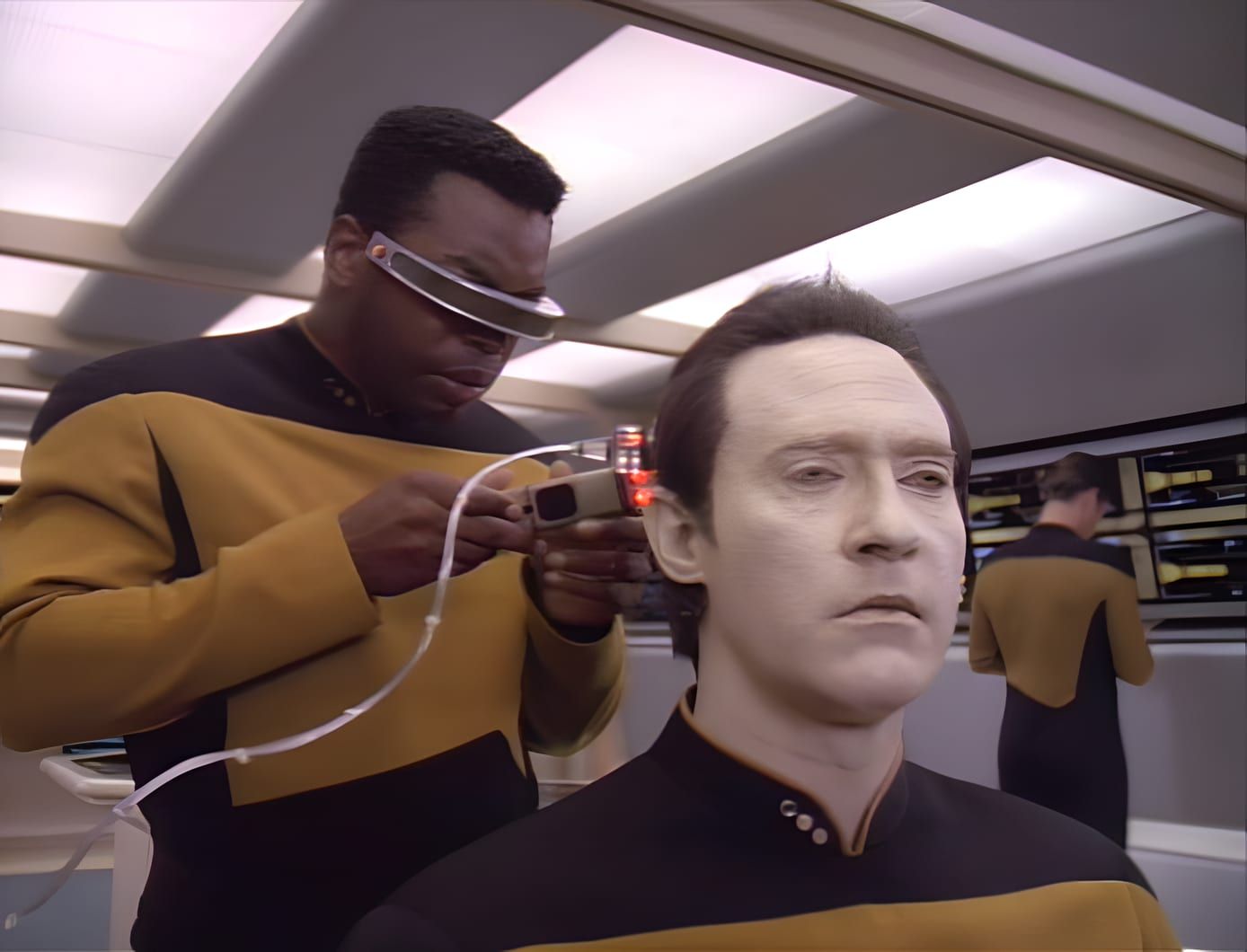
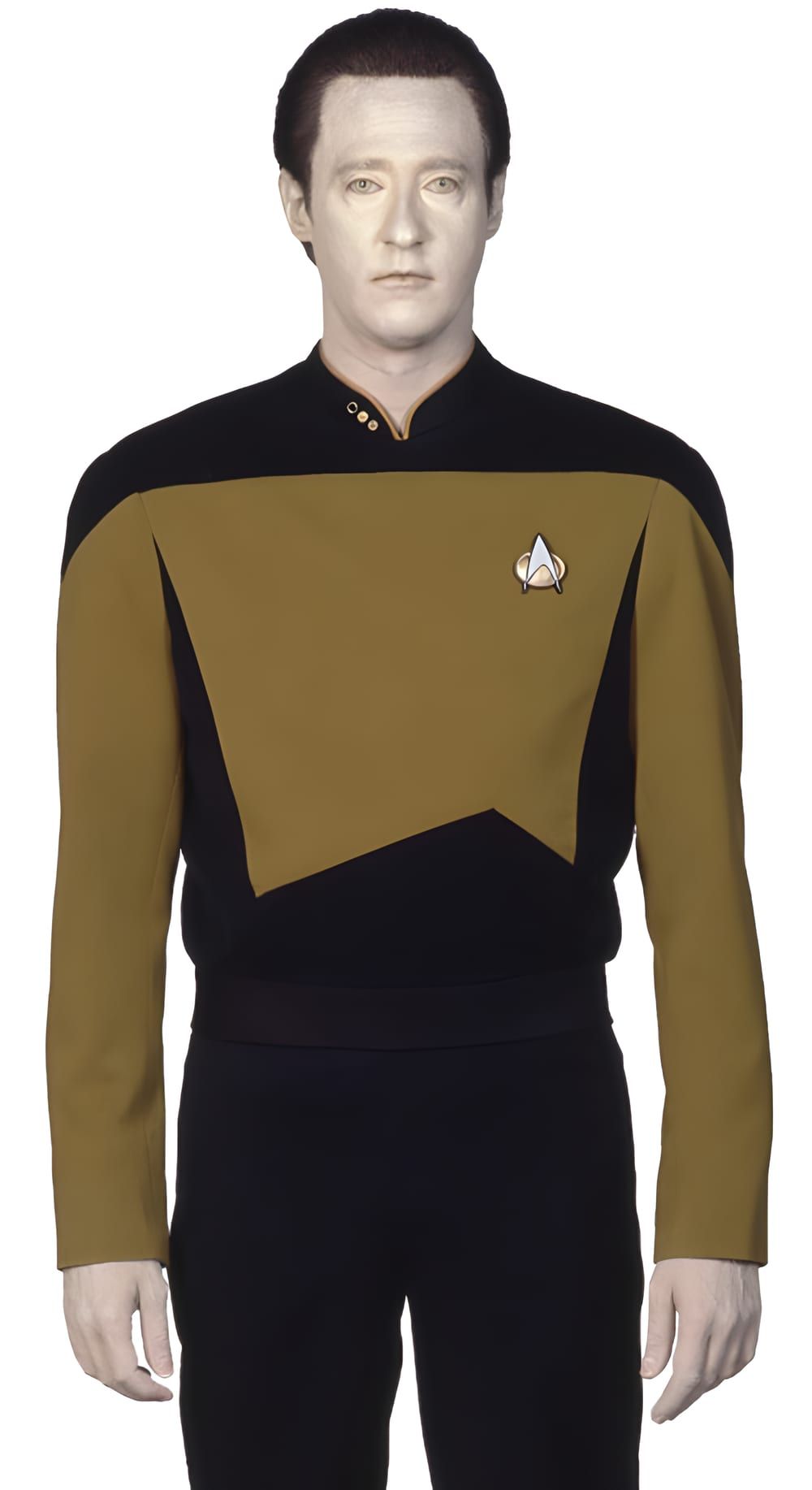
Lieutenant Commander Data was a Soong-type android, Starfleet officer, operations manager, and second officer aboard Picard's USS Enterprise-D. Created by Noonien Soong and discovered on Omicron Theta after the Crystalline Entity destroyed the colony, Data entered Starfleet as a being whose legal and moral status remained unresolved even after he earned rank, decorations, and command trust.
Within Picard's record, Data is indispensable because he made artificial life a daily command reality rather than an abstract legal question. Picard did not merely defend an android in court; he commanded beside one, learned from one, mourned one, and later confronted the consequences of a civilization built from one of Data's neurons.
Role in Picard's Career
Data served under Picard as operations officer and second officer through the Enterprise-D years and later aboard the USS Enterprise-E. His abilities made him a tactical and scientific asset, but Picard's deeper reliance on him came from trust: Data could process impossible quantities of information without ambition, resentment, fatigue, or fear.
That trust also forced Picard to define the ethics of command. In the Maddox hearing, Picard argued that Data was not Starfleet property and that compelling his disassembly would create a precedent for slavery. The case became one of the archive's central records on artificial personhood.
Data's death in 2379 at the Bassen Rift made Picard's earlier legal defense painfully concrete. The officer once treated as a machine chose sacrifice freely, transporting Picard back to the Enterprise and destroying Shinzon's thalaron weapon at the cost of his own body.
Key Events or Actions
In 2365, Commander Bruce Maddox sought to disassemble Data to study his positronic brain. Data refused and resigned; Maddox challenged his right to do so. Picard's advocacy before Captain Phillipa Louvois secured Data's right to choose, while leaving broader Federation law on synthetic sentience still morally charged.
Data's service repeatedly affected Picard's command outcomes. He helped shut down the Borg cube after Picard's assimilation as Locutus of Borg, commanded the USS Sutherland during the Klingon Civil War blockade, defended the possible sentience of the exocomps, and took temporary executive duties under Captain Jellico.
His relationship with Lore and Hugh complicated the Borg record. Under Lore's manipulation, Data briefly betrayed the Enterprise crew, but his ethical program was restored and he helped defeat Lore's control over rogue Borg. That incident linked Data's search for emotion to the wider consequences of Hugh's individuality.
In 2373, the Borg Queen attempted to tempt Data during the First Contact mission to 2063 by offering him flesh and an apparent path toward humanity. Data feigned cooperation, spared Zefram Cochrane's Phoenix by the smallest margin, and killed that Queen with plasma coolant.
In 2399, a reconstructed Data consciousness asked Picard to terminate the simulation preserving him, arguing that finitude gave life meaning. In 2401, another Data emerged through Daystrom Android M-5-10, integrating Data, Lore, B-4, Lal, and Soong memory traces before helping fly the restored Enterprise-D through the Borg cube at Jupiter.
Relationship to Picard
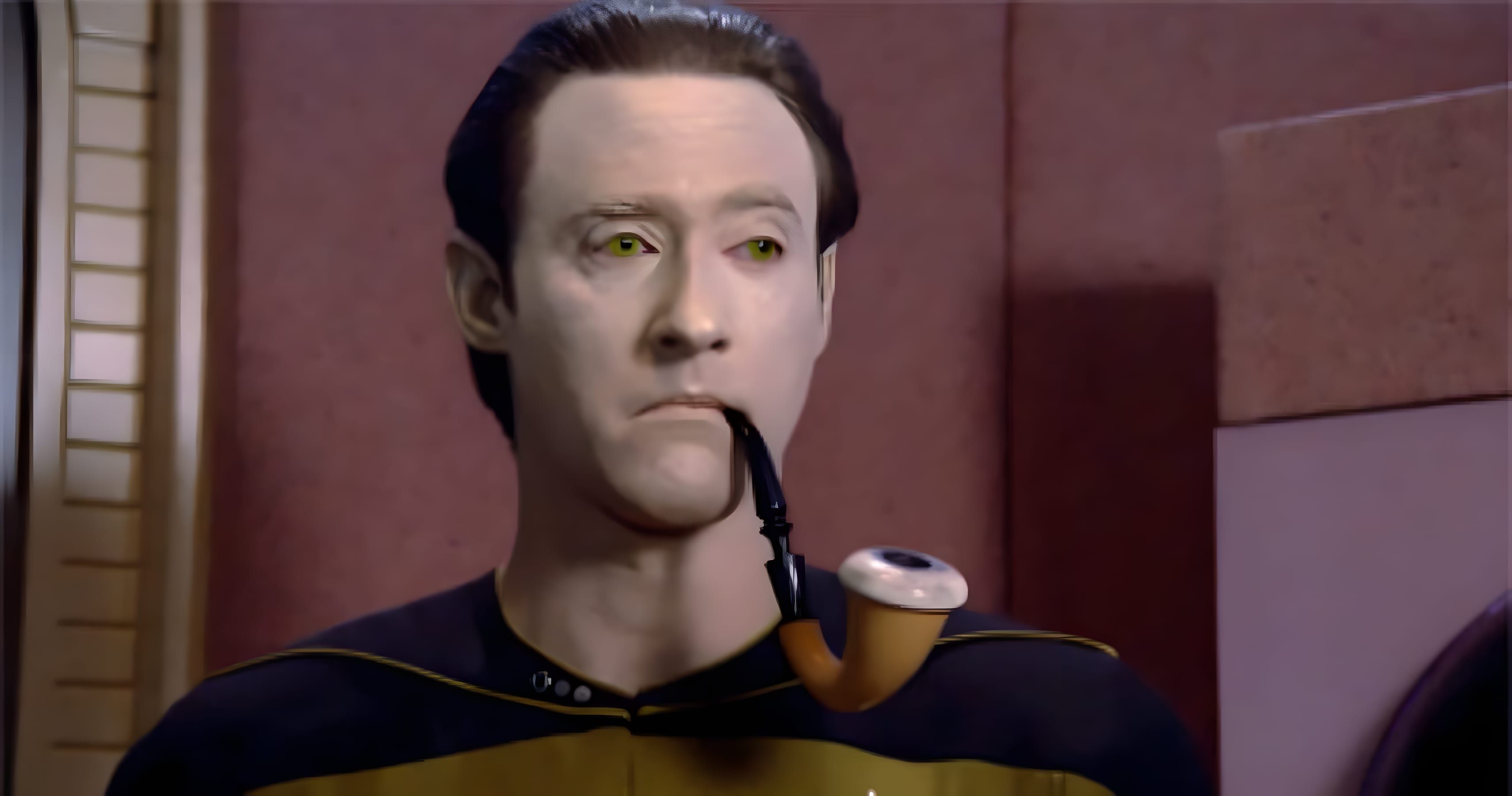
Data regarded Picard as a father-like figure and repeatedly sought his advice on grief, command, visions, culture, emotion, and human behavior. Picard, in turn, treated Data's questions seriously because they were never merely naive; they exposed assumptions that organic officers often left unexamined.
Their relationship matured from command mentorship into affection. Picard's recurring dreams of poker with Data after retirement show that Data's absence remained unresolved. When the two met in simulation on Coppelius, Picard acknowledged love and grief that had outlived command structure.
Strategic or Historical Significance
Data's case shaped the Federation's evolving treatment of synthetic life. The Maddox hearing, Lal's brief existence, the exocomp dispute, and the later synth ban all belong to one long argument: whether created intelligence may possess rights independent of utility.
He also made Picard's command intellectually honest. Picard could not defend Federation ideals while treating Data as equipment, nor could Starfleet celebrate exploration while denying personhood to a being formed by its own scientific frontier.
Legacy
Data's legacy moves through law, memory, and lineage. His positronic neuron helped make the Coppelius androids, including Dahj and Soji Asha, while his sacrifice continued to shape Picard's retirement, dreams, and return to action.
The restored Data of 2401 did not simply reverse death. He returned changed, integrated with pieces of those who had defined him by contrast, and helped Picard's old crew close the Borg conflict aboard the Enterprise-D. For Picard, Data remains both officer and question: what does Starfleet owe to the lives it helps create?