Spock: Reunification, Romulus, and Picard's Diplomatic Inheritance
Browse the full topic archive for more internal links in this category.
Overview
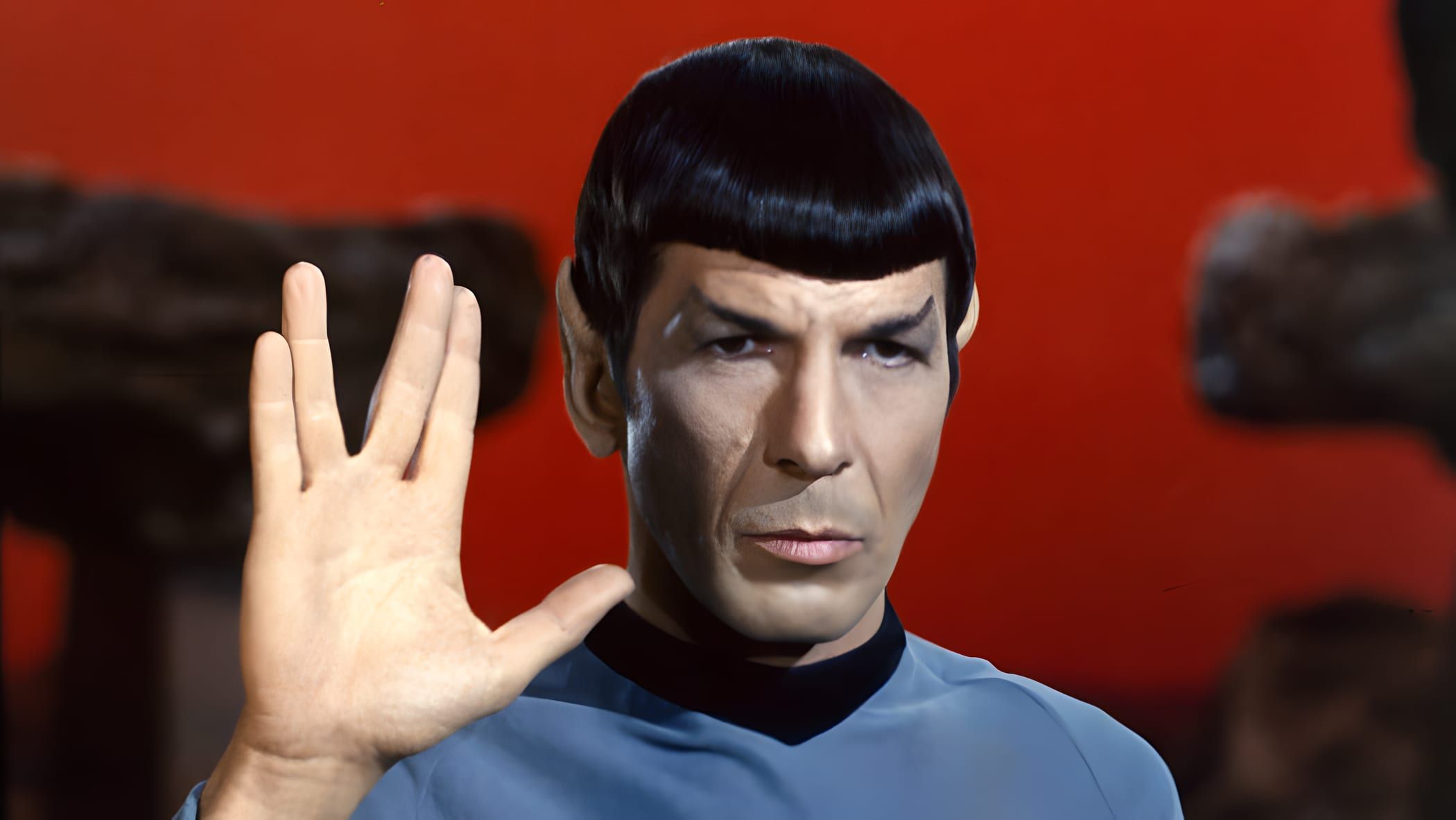
Spock was a Human-Vulcan Starfleet officer, scientist, captain, and later Federation ambassador whose career stretched from 23rd-century exploration to 24th-century diplomacy. By the time he entered Picard's operational record, he was no longer simply a celebrated Enterprise officer; he was an institutional memory of the Federation itself.
His relevance to Picard centers on the underground Romulan Reunification movement. Spock's private mission to Romulus forced Starfleet to decide whether an unauthorized ambassadorial effort was defection, manipulation, or the kind of long political patience that official diplomacy could not safely acknowledge.
Role in Picard's Career
Picard entered the Spock file under orders to determine why the ambassador had traveled secretly to Romulus. The assignment required him to protect Federation security without reducing Spock to a suspect. Picard's command of the USS Enterprise-D therefore became a bridge between Starfleet procedure and ambassadorial independence.
Spock's mind meld with Picard gave the encounter unusual emotional depth. Through Picard, Spock touched the memory of Sarek, whose final illness had left unresolved distance between father and son. That exchange transformed the mission from surveillance into inheritance: Picard carried Sarek's affection to Spock at the same time he assessed Spock's political risk.
Key Events or Actions
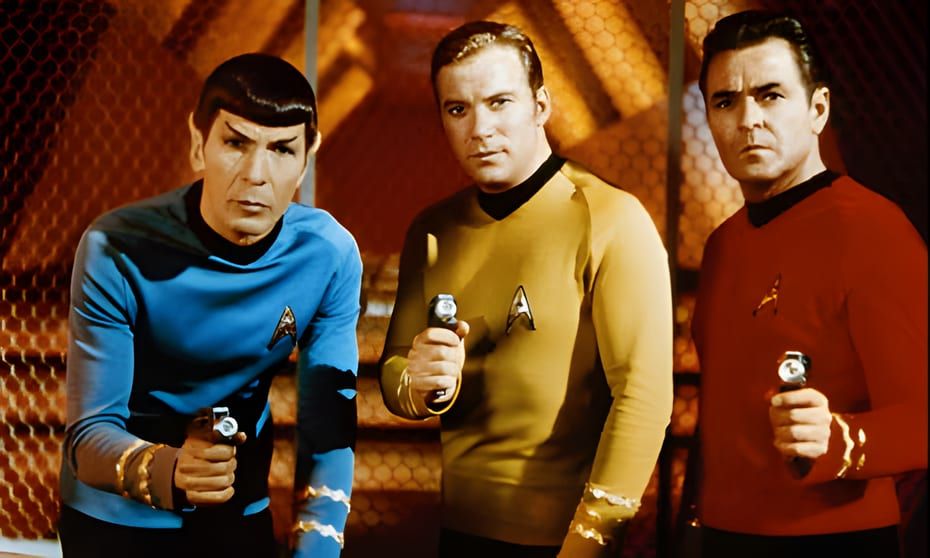
Spock's earlier career made him a figure of unusual authority. He served aboard the original Enterprise under Christopher Pike and James T. Kirk, died and was restored after the Genesis crisis, and later acted as a diplomat in the difficult decades following the Khitomer Accords. That history gave his Romulan work a credibility few active officers could match.
On Romulus, Spock worked with dissidents who believed Vulcans and Romulans could eventually be reunited. Picard and Data uncovered a Romulan plan to exploit that movement as cover for an attempted invasion of Vulcan. Spock chose to remain behind after the immediate trap was exposed, judging that the long work mattered more than his own safety.
In 2387, Spock attempted to halt the supernova disaster that destroyed Romulus. His disappearance into the alternate reality placed a final irony on the reunification record: he had spent his later life seeking to heal a divided people, only to vanish during the catastrophe that shattered Romulan political continuity.
Relationship to Picard
The Picard-Spock relationship was brief but historically dense. Picard approached Spock with the respect owed to an elder of Starfleet history, but he did not surrender judgment to legend. He questioned the ambassador's secrecy, challenged his tactical assumptions, and ultimately defended the moral seriousness of his aims.
Spock, for his part, treated Picard as more than a courier from Starfleet. The Sarek meld made Picard a witness to intimate Vulcan family history, and Spock accepted from him something that neither official record nor diplomatic report could supply: evidence of his father's love.
Strategic or Historical Significance
Spock's reunification work helps explain why Picard's later response to the Romulan Evacuation was not an isolated humanitarian impulse. Picard had already seen Romulan society as more than an adversary state; he had encountered internal dissent, reformist courage, and the possibility of shared Vulcan ancestry.
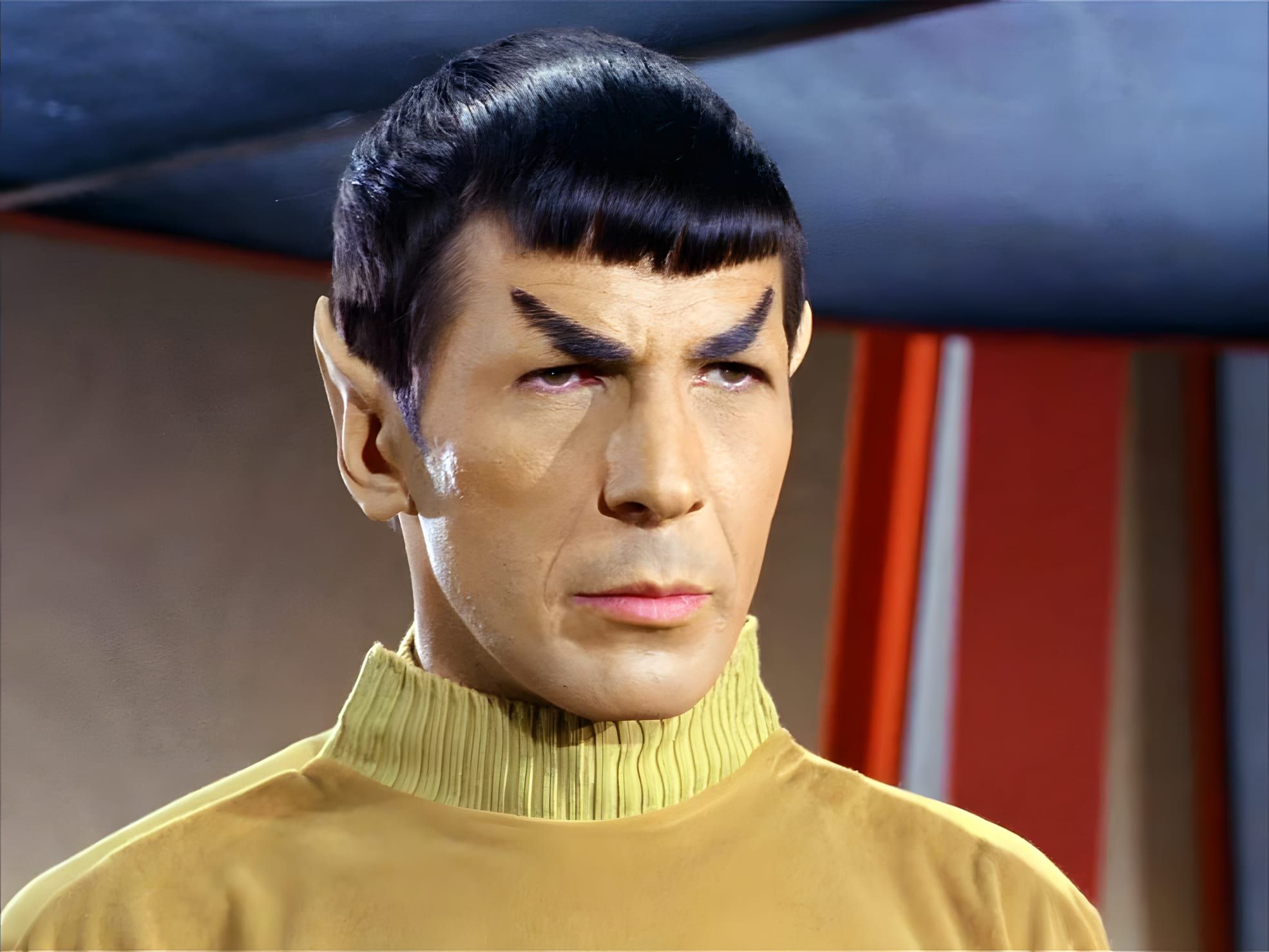
The record also complicates Federation history. Spock's most consequential later diplomacy operated outside normal authorization, while Picard's success depended on honoring that independence without abandoning scrutiny. It is a recurring pattern in Picard's career: law and conscience remain allied only when officers are willing to examine the gap between them.
Legacy
Spock's legacy in the Picard archive is not nostalgia for the 23rd century. It is the continuity of difficult diplomacy across generations: Kirk's first officer becomes Sarek's son, Sarek's son becomes Picard's unresolved assignment, and Picard's later Romulan advocacy grows in a field Spock helped cultivate.
In the long Federation record, Spock stands as a figure who converted divided identity into diplomatic method. For Picard, that example mattered because his own command repeatedly required him to hold opposing truths together without flattening either one.