Worf: Klingon Duty and Picard's Command Circle
Browse the full topic archive for more internal links in this category.
Overview
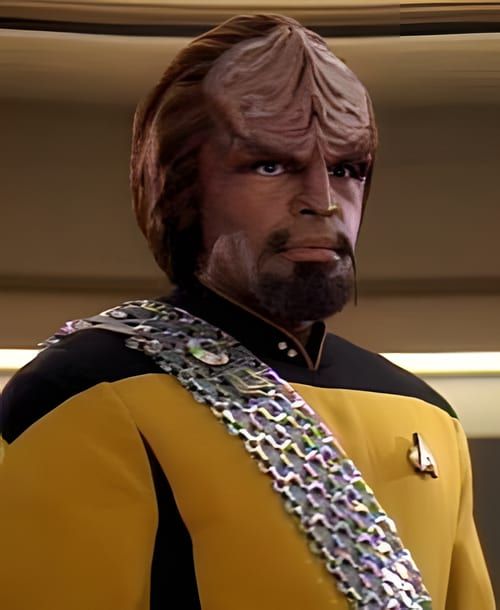
Worf, son of Mogh and adopted son of Sergey and Helena Rozhenko, was the first Klingon to serve in Starfleet and one of the most politically consequential Klingons of the late 24th century. His career joined United Federation of Planets service, House of Mogh inheritance, Klingon Defense Force duty, and later Starfleet Intelligence work.
Within Picard's record, Worf is important because he made Klingon affairs a recurring matter of Enterprise command. He was never merely the tactical officer on the USS Enterprise-D; he was a living point of contact between Federation law, Klingon honor, imperial succession, and private grief.
Role in Picard's Career
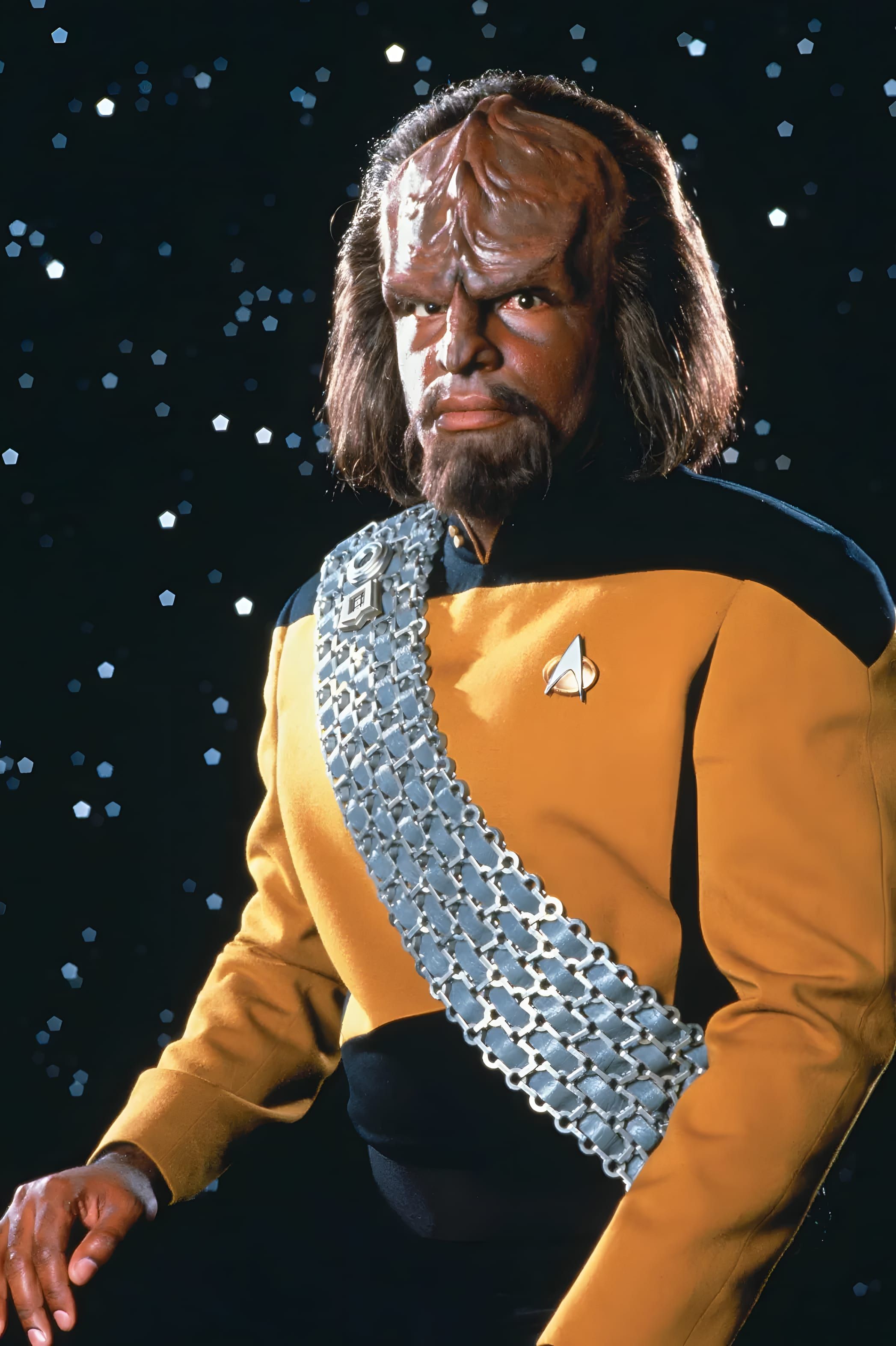
Picard inherited Worf as a junior bridge officer in 2364 and watched him become acting security chief after Tasha Yar's death, then chief tactical officer and security chief. Worf's promotion path on the Enterprise-D reflected Picard's willingness to trust discipline over stereotype, even when Worf's Klingon identity complicated ordinary Starfleet procedure.
Picard's role as Arbiter of Succession depended on Worf's proximity to Klingon law and Worf's willingness to endure dishonor to prevent civil war. The captain needed Worf's knowledge, but he also had to hold a neutral Federation posture while one of his officers stood at the center of Klingon Empire politics.
In 2401, Worf's later work as a subcontractor to Starfleet Intelligence brought him back into Picard's orbit during the Changeling-Borg crisis. By then he was no longer simply a security officer under command; he was an independent operative whose experience with empire, infiltration, and personal restraint made him vital to the events leading to Frontier Day.
Key Events or Actions
Worf's Enterprise-D service began in the command division and shifted to operations after Yar's death. He participated in early Borg contact near System J-25, boarded the Borg cube with Riker and Data, and helped recover Picard after the captain was made Locutus of Borg. Those missions fixed Worf inside the first practical Starfleet record of Borg combat.
Klingon succession politics defined the most serious conflict between Worf's private obligations and Picard's command duties. Worf accepted discommendation to prevent the truth about the Khitomer betrayal from triggering civil conflict, later killed Duras after K'Ehleyr's murder, and helped place Gowron in power. When the civil war came, Worf briefly resigned from Starfleet, served his people directly, and returned only after the House of Mogh was restored.
Worf's record after the Enterprise-D broadened through Deep Space 9 and the Dominion War. He became part of the House of Martok, fought in Klingon and Federation contexts, killed Gowron in honorable combat, and helped elevate Martok. Those later actions explain why Picard's former tactical officer carried influence far beyond the Enterprise bridge.
During the 2401 crisis, Worf worked with Raffi Musiker, rescued Riker and Troi, and joined Picard's restored command circle aboard the Enterprise-D. At Jupiter, he accompanied Picard and Riker onto the Borg cube while La Forge and Data flew the Enterprise through the cube's interior, closing a conflict that began in Worf's earliest years under Picard.
Relationship to Picard
Picard and Worf were bound by command trust rather than easy intimacy. Picard often checked Worf's more aggressive instincts, but he also treated his officer's Klingon identity as a legitimate source of expertise. That balance allowed Worf to remain recognizably Klingon without being reduced to an exotic exception within Starfleet.
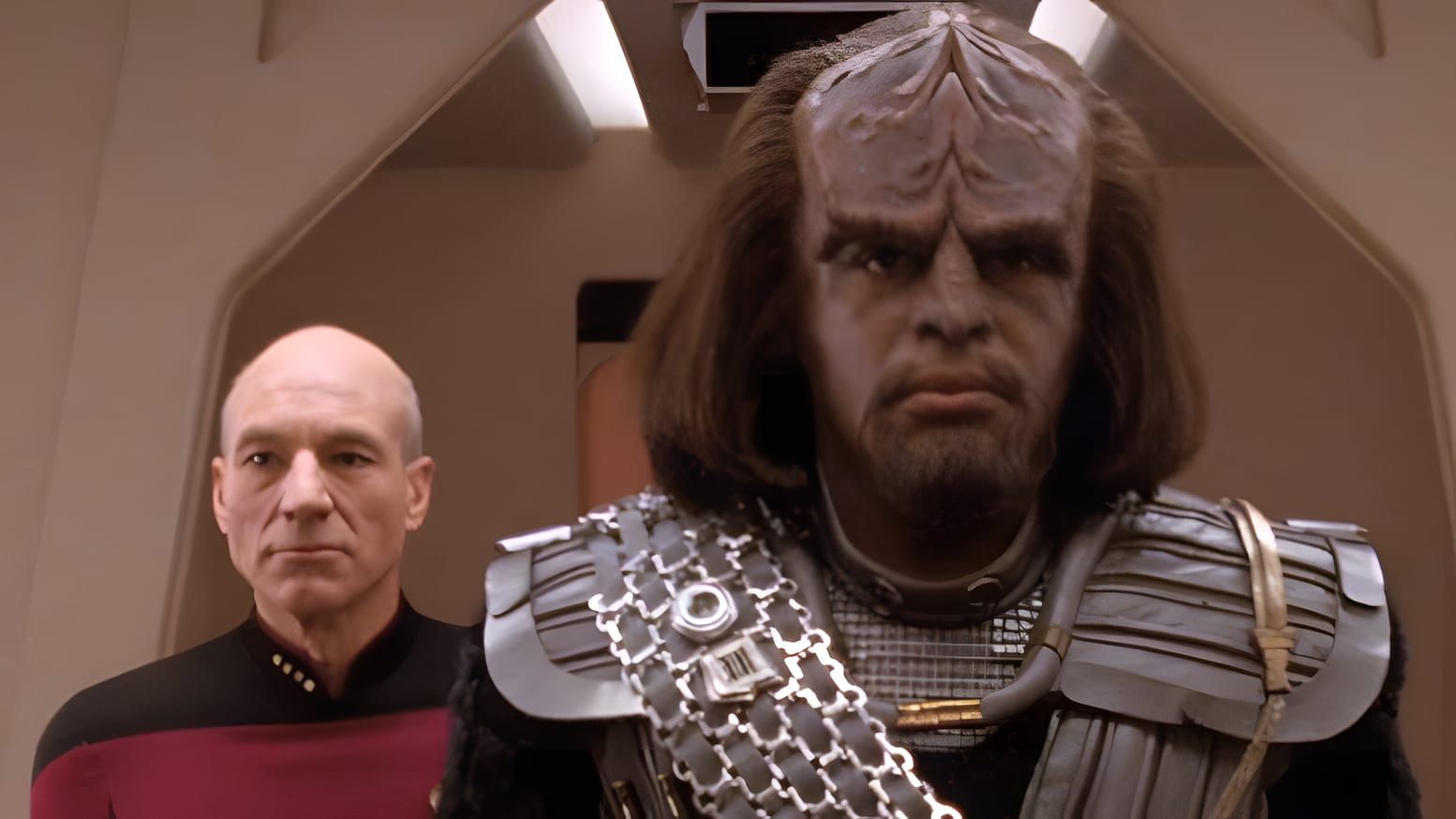
Their relationship was tested most sharply when Klingon law, family honor, and Starfleet discipline collided. Picard reprimanded Worf when vengeance crossed professional boundaries, yet repeatedly entrusted him with missions where force, restraint, and cultural fluency had to operate together.
Strategic or Historical Significance
Worf's presence on Picard's Enterprise changed the Federation-Klingon alliance from policy into daily command practice. The alliance was not an abstraction when the officer at tactical carried a dishonored Klingon house, an adopted Human family, and the burden of Khitomer.
His career also demonstrates why Picard's command style depended on plural loyalties. Officers such as Worf, Data, Beverly Crusher, and Geordi La Forge brought claims into the command structure that were not always reducible to orders. Picard's strength was his capacity to turn those claims into disciplined action.
Legacy
Worf's legacy extends from the Enterprise-D to Deep Space 9, Qo'noS, and the restored Enterprise-D at Frontier Day. He influenced Klingon rulership, Starfleet security doctrine, and the later intelligence response to internal infiltration.
For Picard's archive, Worf remains the clearest example of an officer whose divided inheritance became operational strength. His service shows that allegiance is not made weaker by complexity when command gives it a lawful form.